

Back pain is one of the leading causes of disability globally, and disc-related conditions are among the most common underlying causes. When spinal discs become compressed, bulged, or herniated, they press on nearby nerves, creating pain, tingling, numbness, and weakness that can radiate through the back, neck, arms, or legs.
Spinal disc decompression treatment offers a non-surgical solution that directly targets the mechanical source of these symptoms.
How Spinal Disc Decompression Treatment Works
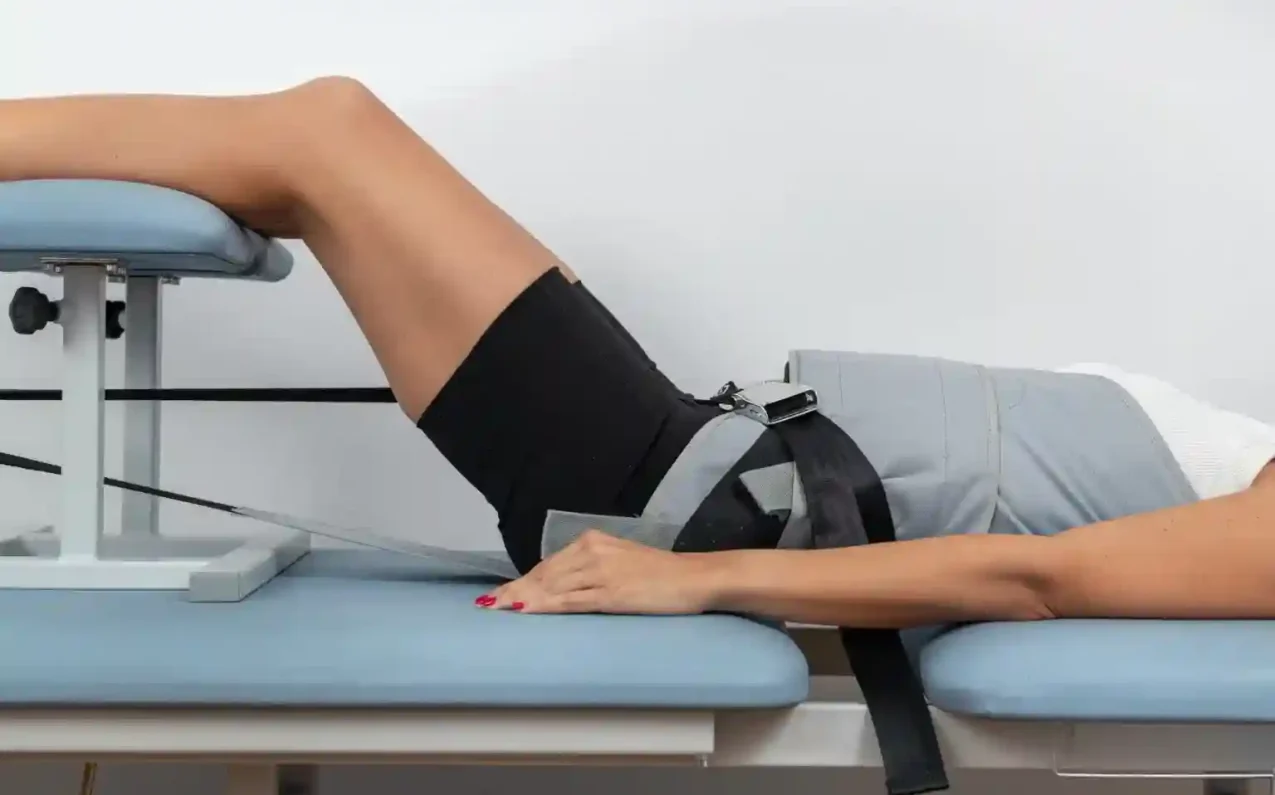
During spinal disc decompression treatment, a patient lies on a computerized traction table that applies a precisely controlled distractive force to the spine. This force creates a negative pressure environment inside the targeted disc, encouraging retraction of herniated material and promoting the flow of oxygen, water, and nutrients into the disc.
This rehydration and nutrient exchange supports the disc’s natural healing process over the course of the treatment program. The treatment is carefully customized to each individual. The chiropractor or clinician sets the specific angles, forces, and duration based on the patient’s diagnosis, pain levels, and treatment response.
Who Can Benefit Most from This Therapy
Patients with herniated or bulging lumbar or cervical discs often experience some of the most dramatic improvements from spinal decompression. Those suffering from sciatica, which is characterized by radiating pain, numbness, or weakness along the sciatic nerve pathway, frequently find significant relief as decompression reduces the nerve impingement responsible for their symptoms.
Individuals with degenerative disc disease, spinal stenosis, and facet joint syndrome are also common candidates for this therapy. The non-invasive nature of the treatment makes it an attractive option for patients who are not yet ready for surgery or who wish to avoid the risks and recovery time that surgical procedures entail.
What a Full Treatment Program Looks Like
A standard spinal decompression program typically involves sessions conducted several times per week over a period of four to eight weeks. Each session lasts approximately thirty to forty-five minutes and is generally comfortable, with most patients reporting a pleasant stretching sensation. Progress is monitored throughout the program, and the treatment parameters are adjusted as needed based on the patient’s response.
Complementary treatments such as heat therapy, electrical stimulation, and therapeutic exercise are often incorporated alongside decompression to enhance outcomes. These additional elements support muscle relaxation, pain management, and the development of strength that protects the spine following treatment.
Long-Term Results and Maintenance
Many patients experience lasting relief from their symptoms following a complete decompression program. Maintaining results typically involves continued attention to core strength, posture, and ergonomics, along with periodic follow-up visits to monitor spinal health.
Patients who adopt the lifestyle recommendations provided by their clinician tend to sustain their improvements most effectively over the long term. For some patients, occasional maintenance sessions provide additional support during periods of increased physical activity or stress on the spine.
Conclusion
Spinal disc decompression treatment is a carefully developed, evidence-informed therapy that offers genuine hope to patients living with disc-related pain and nerve impingement. By targeting the mechanical cause of symptoms in a safe, controlled, and non-surgical manner, it provides a meaningful alternative to more invasive interventions.
Anyone experiencing persistent back or neck pain related to disc conditions should explore this therapy with a qualified specialist and discover whether it is the right path to their recovery.