

The period of winter may be a difficult time on the eczema-disposed skin. Cold air, low humidity, and indoor heating result in difficulties in keeping the air moist, and this situation usually causes it to be dry, irritated, and flare up. However, you can save your skin with proper plans and regular attention and reduce harm that winter harsh weather may cause.
In this guide, you will be guided on what causes winter eczema, effective skincare tips, and how to go about controlling the flare-ups.
Why Is Winter Tough on Eczema-Prone Skin?
Winter has various effects on the skin that is eczematous. The air outside is not humid and indoor heating only makes the air drier resulting in the loss of moisture by the skin. This makes the skin barrier weaker and more susceptible to any irritants which results in itchiness and inflammation.
Also, cold winds may burn off vulnerable skin such as face and hands whereas hot showers may soothe but at the cost of the natural oils in the skin. Even warm clothes, even the woolen or the scratchy clothes, may further irritate the skin. All these factors together make the winter season particularly difficult for the eczematous.
Essential Winter Skincare Tips
The skin condition which is subjected to eczema needs a regular and gentle treatment during the winter season. Through proper hydration, protection, and avoiding irritants, one can keep the flare-ups in check and dryness is avoided.
1. Moisturize Often and Effectively
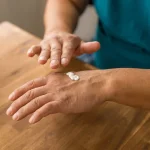
The fundamentals of eczema care is moisturizing, particularly during winter. Select an ointment or cream of hydrating properties such as ceramides or glycerin, that is thick and fragrance-free. Building daily skincare habits helps strengthen the skin barrier and prevents moisture loss during colder months.
Use it not less than twice a day, once in the morning and once before bedtime. To achieve maximum efficacy, one needs to apply moisturizer as soon as they get out of the bath to ensure that moisture is locked in.
2. Take Lukewarm Showers
Hot showers are not exactly what the cold can do without, though it makes the eczema worse as they deprive the skin of its natural oils. Use only lukewarm water and take not more than 10-15 minutes. Wash your skin with a mild, soapless wash and dry it with a soft towel so as not to irritate it.
3. Use a Humidifier Indoors
During winter seasons, a humidifier is a very necessary device because indoor air is usually very dry. Maintaining a humidity level of 40-60 indoors will ensure that your skin is not further dried as well. Install the humidifier in the rooms that you spend most of your time in.
4. Choose Eczema-Friendly Clothing
The clothes you put on may affect the state of your skin. Use soft and breathable fabrics, such as cotton or bamboo, that will be less irritating to the skin. Wool, or coarse artificial material should be avoided. When you are forced to wear wool to keep warm, have a piece of cotton garment under it to save your skin.
5. Protect Your Skin Outdoors
Going outside, wrap up bare skin in order to avoid cold winds. Wear hats, scarves and gloves, and apply a thick ointment such as petroleum jelly on parts that are prone to dryness, your hands and mouth. This is an added protection feature, which minimizes the chances of flare-ups due to adverse weather conditions.
Managing Eczema Flare-Ups in Winter
Despite having a detailed skincare regimen, even during winter, there might be flare-ups. Once they do, they should be discussed as soon as possible to reduce the presence of discomfort and ensure that they do not cause any complications.
Begin by rubbing a thick coat of moisturizer onto the affected parts of the body to relieve the skin of the dryness and itching. In case the symptoms are severe, a topical steroid cream may be prescribed by your doctor to lessen the inflammation. Do not scratch, and it might cause infections and deteriorate the situation.
To alleviate fast, apply cold compress on any swellings. Moreover, make sure your nails are shortened so that you will not have to scratch your skin accidentally. Another way you can take care of your skin internally is by keeping hydrated by drinking large amounts of water and consuming fish and foods that contain many omega-3 fatty acids.
FAQs
1. Why is eczema worse in winter?
In winter, eczema is more prone to occur because of low humidity, cold winds, and dry indoor heating which drains the moisture of the skin. This undermines the skin barrier, which is more susceptible to irritation, which results in even greater dryness, inflammation, and exacerbations.
2. What’s the best way to protect my skin from winter weather?
Wear gloves, scarfs, and hats so that your skin is not exposed to cold winds. Apply a heavy, scentless and scentless oil or petroleum jelly to prevent the loss of moisture. Even a simple change of clothes can be done by dressing in light and wearable clothes such as cotton which can help avoid irritation of rough clothes such as wool.
When to Seek Medical Help
In case your eczema is uncontrollable even after these tips, you should see a dermatologist. Symptoms of redness, swelling or oozing are signs that may indicate that you need medical attention due to severe flare-ups and intense itching. To treat the condition, a doctor can prescribe prescription drugs such as more powerful topical steroids or light therapy.
Final Thoughts
Eczema skin is not always good during winter, but when a person takes proactive measures, they can succeed in maintaining healthy and comfortable skin during winter. Pay attention to the regularity of moisturizing, the use of mild products, and protecting your skin against cold weather and indoor drought.
It is important to keep in mind that the most important in dealing with eczema is consistency. Simple lifestyle habits such as having a humidifier in the home, taking showers in lukewarm temperature, and dressing in skin-non-aggressive products will go a long way. In case of the continuation of flare-ups, do not be afraid to consult a professional.
A couple of special care and the beauty of winter will not be wasted because of eczema.