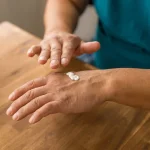


Eczema or atopic dermatitis is a chronic skin disorder, which is inflamed, reddish, itchy, and painful. It can highly affect quality of life as it affects millions of people around the world. Although medical therapies such as corticosteroids and prescription creams are effective, they do not apply to all patients because of their side effects or even long-term risks. Consequently, a large number of them resort to natural treatment in order to cope with their eczema symptoms.
Natural eczema solutions are aimed at calming down the skin, relieving inflammation and the natural protection of the skin using the harsh chemicals. This blog will discuss safe and effective interventions that would assist you to control eczema using natural means and live more comfortably.
What Triggers Eczema?
Understanding the triggers of eczema is a critical step in finding relief. While the exact causes vary from person to person, several common factors can lead to flare-ups, including:
- Environmental Factors: Dry air, extreme temperatures, or exposure to allergens like pollen, dust mites, and pet dander can worsen eczema.
- Irritants: Harsh soaps, detergents, fragrances, and certain skincare products may weaken the skin barrier, causing irritation.
- Food Allergies or Sensitivities: Certain foods, like dairy, nuts, and gluten, can trigger eczema in some individuals.
- Stress: Mental and emotional stress can exacerbate eczema symptoms by causing inflammation in the body.
- Genetics: A family history of eczema, asthma, or hay fever increases the likelihood of developing the condition.
Identifying and avoiding your specific triggers is key to managing eczema effectively.
Top 10 Natural Remedies for Eczema
1. Coconut Oil
Coconut oil is a good natural moisturizer that can be used as an anti microbial and anti inflammatory agent. Virgin coconut oil applied to the dry, itchy skin will help to curb inflammation and heal the skin barrier. Apply it following a shower or a bath to seal the moisture and calm down irritation.
2. Colloidal Oatmeal Baths
Colloidal oatmeal which is a ground oat is associated with anti-inflammatory and soothing effects. It is able to decrease redness, itching and irritation. Add 1-2 cups colloidal oatmeal to a lukewarm bath and take a bath of 10-15 minutes. Towel off your skin and put on a moisturizer.
3. Aloe Vera Gel
Aloe vera is an ancient herbal treatment, which has been utilized over time to treat and calming the skin. It can be used to soothe eczema flare-ups due to its cooling and anti-inflammatory properties. Apply fresh aloe vera gel or an organic aloe vera gel without any added chemicals.
4. Apple Cider Vinegar
The apple cider vinegar (ACV) is also beneficial to maintain the pH level of the skin and possesses antimicrobial effects. Add ACV to water in the ratio of 1:2, wet the areas of application with a clean cotton ball, and then rinse off in a few minutes. Patch tests should be always done to prevent irritation.
5. Shea Butter
Shea butter is a natural and fatty acid rich and vitamin-filled moisturizer. It will be able to alleviate the dryness and to facilitate healing of the skin. The presence of raw, unprocessed shea butter is the best choice.
6. Honey
Raw honey is a natural humectant, that is, it is able to keep the skin moist. It is also antibacterial and anti-inflammatory and it is thus a great remedy against eczema. Wet the affected part with raw honey by applying a thin layer, by keeping it on the affected part, or leave it to dry on it, 15-20 minutes and rinse with lukewarm water.
7. Evening Primrose Oil
The evening primrose oil has gamma-lineolic acid (GLA), an omega-6 fatty acid which decreases inflammation and enhances skin hydration. You can also use it as a topical or as a supplement, but it is always better to consult your doctor before trying to incorporate a supplement to your daily routine.
8. Tea Tree Oil
Tea tree oil is antiseptic and anti-inflammatory. It has the potential to decrease the redness, itching and irritation when diluted with a carrier oil such as coconut or olive oil. It is suitable in limited doses because tea tree oil is irritating to the skin in its undiluted state.
9. Probiotics
A healthy gut microbiome has a huge ability in the health of the skin. Eczema symptoms can be alleviated by taking probiotic-rich food such as yogurt, kefir, sauerkraut, and kombucha. Fibre supplements can also be used as probiotics; a health expert should provide the information.
10. Dietary Changes
An anti-inflammatory diet would alleviate the symptoms of eczema. Eat high-quality omega-3 fatty acids (salmon, flaxseeds and walnuts), antioxidants (berries, spinach and green tea) and vitamin E (avocados, sunflower seeds and almonds). The processed foods, refined sugar, and possible allergens must be avoided.
Lifestyle Changes to Support Natural Remedies
Natural remedies work best when combined with supportive lifestyle habits. Here are some tips to enhance their effectiveness:
- Moisturize Frequently: Use a fragrance-free moisturizer multiple times a day to keep your skin hydrated.
- Wear Breathable Fabrics: Opt for loose, soft fabrics like cotton or bamboo to prevent friction and irritation.
- Stay Hydrated: Drink plenty of water to keep your skin hydrated from the inside out.
- Manage Stress: Practice relaxation techniques like mindfulness, yoga, or meditation to reduce stress-induced flare-ups.
- Maintain a Humid Environment: Use a humidifier to prevent your skin from drying out, especially during winter.
When to See a Doctor
While natural remedies can be effective, certain signs indicate the need for professional medical help:
- Severe itching or pain that interrupts daily activities.
- Signs of infection, such as yellow crusting or oozing.
- Eczema that doesn’t improve with natural or over-the-counter treatments.
A dermatologist can prescribe stronger medications or recommend advanced treatment options tailored to your condition.
FAQs
1. Are natural remedies safe for everyone?
Most natural remedies are safe, but individual reactions may vary. Always perform a patch test before applying any new ingredient to your skin.
2. Can natural remedies replace medical treatment for eczema?
Natural remedies are helpful for mild to moderate symptoms, but severe eczema may require medical treatment. Consult a dermatologist for persistent or worsening symptoms.
3. How long does it take to see results with natural remedies?
Results vary depending on the severity of your eczema and the remedy used. Some people notice improvement within weeks, while others may need more time. Consistency is key.
Final Thoughts
The natural remedies of eczema provide a natural and holistic way to treat the symptoms. Wetting your face with coconut oil, adding some probiotics to your meals, and all these other tricks can ease your inflammation, calm down irritation, and get your skin in a healthy state. Patience is the most important thing to remember, nature will not always respond instantly to the nature of treatment.
In case your eczema does not disappear or improves, see a medical specialist. When you use a combination of natural remedies and professional advice, you would be able to control your eczema and make your life better.