

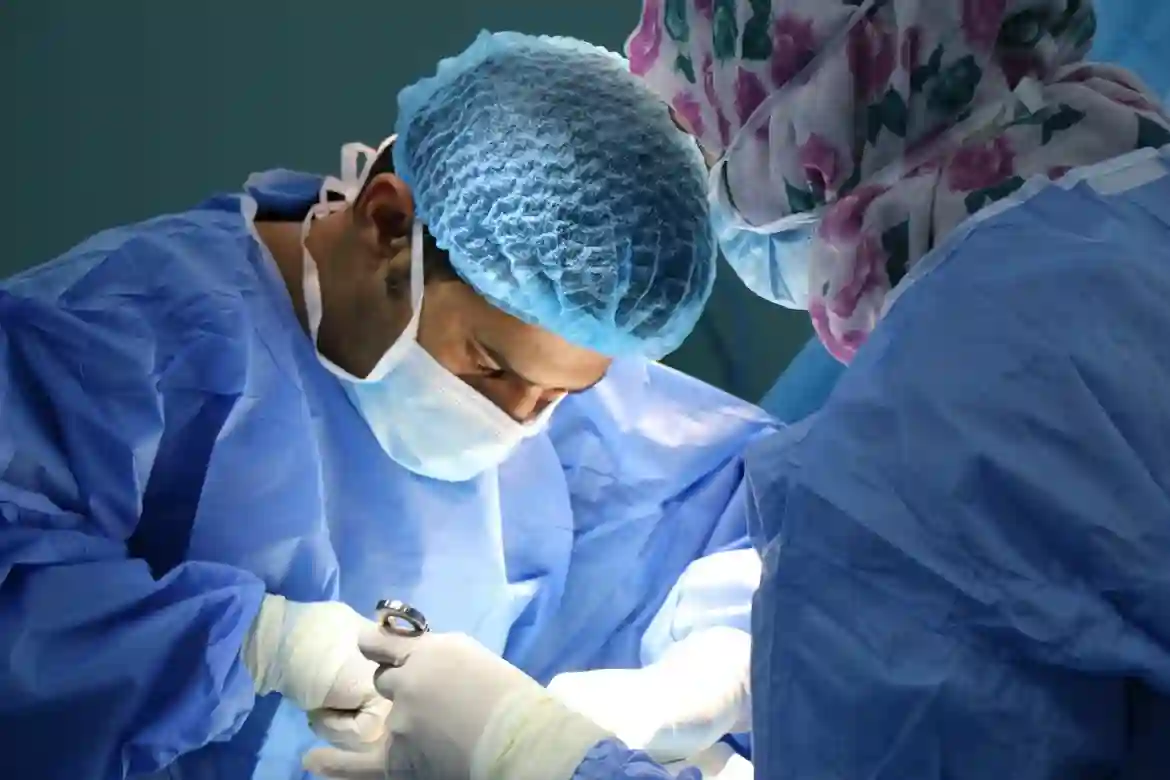
Preparing for surgery can be a stressful experience, but working closely with a colon surgery specialist ensures that patients receive the guidance, support, and information necessary for a successful procedure. A colon surgery specialist is trained to diagnose, treat, and manage various colon-related conditions, including colon cancer, inflammatory bowel disease, and diverticulitis.
Proper preparation with a colon surgery specialist improves surgical outcomes, minimizes complications, and helps patients feel confident throughout the process.
1. Understanding Your Condition
The first step in preparing for surgery with a colon surgery specialist is a thorough understanding of the underlying condition. During initial consultations, the colon surgery specialist will review medical history, perform diagnostic tests, and explain the nature of the problem. Understanding the diagnosis and the reasons for surgery helps patients make informed decisions and sets realistic expectations for the procedure. Clear communication with a colon surgery specialist ensures that all concerns are addressed before surgery.
2. Preoperative Assessments
Before the surgery, a colon surgery specialist will recommend preoperative assessments to evaluate overall health and readiness for the procedure. These assessments may include blood tests, imaging studies, heart and lung evaluations, and colonoscopy results.
By conducting thorough assessments, the colon surgery specialist can identify any potential risks, plan the surgical approach, and tailor anesthesia and post-operative care. Preoperative testing is a vital part of ensuring the safety and effectiveness of the procedure.
3. Preparing Mentally and Physically
A colon surgery specialist emphasizes the importance of mental and physical preparation before surgery. Patients may receive guidance on diet modifications, bowel prep, and lifestyle adjustments to optimize surgical outcomes. In some cases, understanding diet and inflammation connections can also help patients make better nutritional choices that support overall healing and recovery.
Mental preparation, including understanding the procedure, recovery process, and possible challenges, helps reduce anxiety and promotes a positive mindset. Working closely with a colon surgery specialist ensures that patients are physically and emotionally ready for surgery.
4. Understanding the Surgical Procedure
A detailed discussion of the surgical procedure is another key step when preparing with a colon surgery specialist. Patients are informed about the type of surgery, whether it is minimally invasive or open, the expected duration, anesthesia methods, and potential risks.
Understanding what to expect during surgery helps patients feel more comfortable and prepared. The colon surgery specialist also explains post-operative care, including pain management, mobility, and dietary restrictions, to facilitate a smooth recovery.
5. Coordinating Postoperative Care
Postoperative care planning is an essential part of preparing for surgery with a colon surgery specialist. Recovery strategies may include wound care, follow-up appointments, physical activity guidelines, and nutrition plans.
The colon surgery specialist ensures that patients have a clear roadmap for recovery, including signs of complications to watch for and when to seek medical attention. Coordinated care reduces the risk of post-surgical complications and supports a quicker, safer recovery process.
Final Thoughts
Proper preparation with a colon surgery specialist lays the foundation for a successful surgical experience. By understanding the condition, completing preoperative assessments, preparing mentally and physically, learning about the procedure, coordinating postoperative care, and addressing concerns, patients are better equipped for a safe and smooth recovery.
Partnering with a skilled colon surgery specialist ensures optimal outcomes and improved long-term health.