

Eczema or atopic dermatitis is not merely a skin disorder but it is a lifestyle issue. The itching, redness, and discomfort may be overwhelming, and knowing the underlying causes of your flare-ups can change the world. Determining eczema triggers is among the most significant activities in the control of the condition. Understanding what triggers your symptoms will allow reducing the number of exacerbations and retaining control over the state of your skin.
Through this blog, we will discuss the common causes of eczema, how to detect them using non-complicated and yet effective measures, and how to cope with the outbreaks.
Why Do Eczema Triggers Matter?
Eczema is a disease which will interfere with the capability of the skin to retain moisture, which will cause the skin to lose moisture, become swollen and highly irritable. Although genetics are a major factor, external and internal stimuli may worsen symptoms leading to flare-ups. These triggers can be of very different kinds to different individuals, and it is vital to find out and prevent those, which are peculiar to a person.
The triggers do not necessarily lead to instant reactions. As an example, when a person is exposed to an irritant, such as a strong soap, a flare-up can be experienced some hours or even days later. Such a slow response may result in the difficulty of locating the exact source of aggravation. However, it is important to first know the typical types of triggers.
Common Eczema Triggers
Here’s a breakdown of the most common triggers that lead to eczema flare-ups:
1. Environmental Factors
- Eczema can be aggravated by seasonal changes especially during the winter months when the air is drier.
- The skin can also be irritated in summer months because of heat or humidity or sweating.
- Common culprits are airborne allergens such as pollen, dust mites and mold.
2. Irritants
- Harsh soaps, detergents, shampoos, and cleaning products often strip the skin of its natural oils.
- Fragranced products, including cosmetics and skincare, can inflame sensitive skin.
3. Food Allergies
- Dairy, eggs, nuts, soy, and gluten are some of the common triggers in persons with eczema.
- The causes of food-related eczema are prevalent among children although they may also occur in adults.
4. Stress and Emotional Health
- Such psychological stress may cause an inflammatory reaction in the body to aggravate the symptoms of eczema.
- Itching can lead to lack of sleep, which can in turn due to lack of sleep cause the stress to continue in a vicious cycle.
5. Fabrics and Clothing
- Synthetic materials, wool, or rough fabrics can irritate the skin.
- Tight-fitting clothing can trap heat and sweat, causing flare-ups.
How to Identify Your Eczema Triggers
Identifying eczema triggers takes time and patience, but with a systematic approach, it’s entirely achievable. Here are some methods to help you uncover your unique triggers:
1. Start a Skin Journal
A skin journal can be one of the most effective tools in identifying triggers. Track the following daily:
- Foods and beverages you consume.
- Products you use on your skin or hair.
- Environmental conditions (weather, humidity, pollen levels, etc.).
- Stress levels or emotional events.
- Symptoms such as redness, itching, or flare-up severity.
Over time, patterns will emerge, giving you clues about your triggers.
2. The Elimination Test
If you suspect specific foods or skincare products are causing flare-ups, try eliminating one item at a time for 2-4 weeks. Gradually reintroduce them and observe how your skin reacts. For example:
- Stop using fragranced soaps or lotions and switch to hypoallergenic options.
- Remove suspected foods, like dairy or gluten, from your diet temporarily.
Document every change to understand its impact on your skin.
3. Allergy Testing
Allergy testing, conducted by a dermatologist or allergist, is a fast and reliable way to identify triggers. Two common tests include:
- Patch Testing: Identifies reactions to common irritants like nickel, fragrances, or preservatives.
- IgE Testing: Determines food or environmental allergies through a blood test or skin prick test.
4. Observe Seasonal Trends
Many people with eczema notice that their symptoms worsen during certain times of the year. For instance:
- Winter: Dry, cold air can strip the skin of natural moisture.
- Spring/Fall: Pollen levels are higher, leading to allergic reactions.
- Summer: Sweat and heat can increase irritation.
5. Test Skincare Products Safely
Introduce new products one at a time and use them on a small area of your skin (like your forearm) for a few days before applying them more broadly. Avoid products containing fragrances, alcohol, or artificial colors, and prioritize eczema-safe skincare products to minimize the risk of irritation.
”
Managing Eczema Flare-Ups
Even with careful trigger identification, flare-ups can still happen. Here’s how to manage them effectively:
1. Moisturize Often
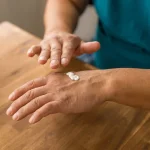
Keeping your skin hydrated is essential. Use thick, fragrance-free moisturizers or ointments like petroleum jelly to lock in moisture. Apply immediately after bathing to seal in hydration.
2. Use Warm, Not Hot, Water
Hot water can dry out your skin and worsen inflammation. Stick to lukewarm baths or showers and limit them to 10-15 minutes. Adding colloidal oatmeal or baking soda to your bath can provide additional relief.
3. Use Anti-Inflammatory Treatments
For severe flare-ups, over-the-counter creams containing hydrocortisone can reduce inflammation. For long-term flare-ups, consult your doctor about prescription-strength treatments or non-steroidal alternatives like calcineurin inhibitors.
4. Avoid Scratching
Scratching damages the skin barrier and increases the risk of infection. To manage the itch:
- Apply a cold compress to the affected area.
- Use anti-itch creams or oral antihistamines to reduce discomfort.
5. Manage Stress
Stress exacerbates eczema for many people. Incorporating relaxation techniques like deep breathing, mindfulness, or yoga can help you maintain emotional balance and reduce inflammation.
6. Wear Protective Clothing
Opt for loose, breathable fabrics like cotton to minimize irritation. Avoid rough fabrics like wool and synthetic blends, which can worsen symptoms.
When to Seek Professional Help
While self-care and trigger management are effective for mild cases, there are times when professional help is necessary. Consult a dermatologist if:
- Flare-ups are frequent or severe.
- Over-the-counter treatments aren’t effective.
- You suspect an infection (e.g., yellow crusting, oozing, or swelling).
A dermatologist may recommend advanced treatments, such as phototherapy, biologics, or prescription medications, tailored to your condition.
Final Thoughts
Identifying eczema triggers is an essential process in the treatment of the disease. It involves being patient and persistent but the rewards of lessening flare ups and making life easier, make it all worth it. Through journaling, conducting experimentation on possible triggers and adopting supportive habits, you will be able to have more control over your eczema.
It is important to remember that the process of managing eczema is a long process and even the smallest steps are important. In case you meet any problems along the road, consult a dermatologist or another medical worker to determine whether you are moving in the right direction.