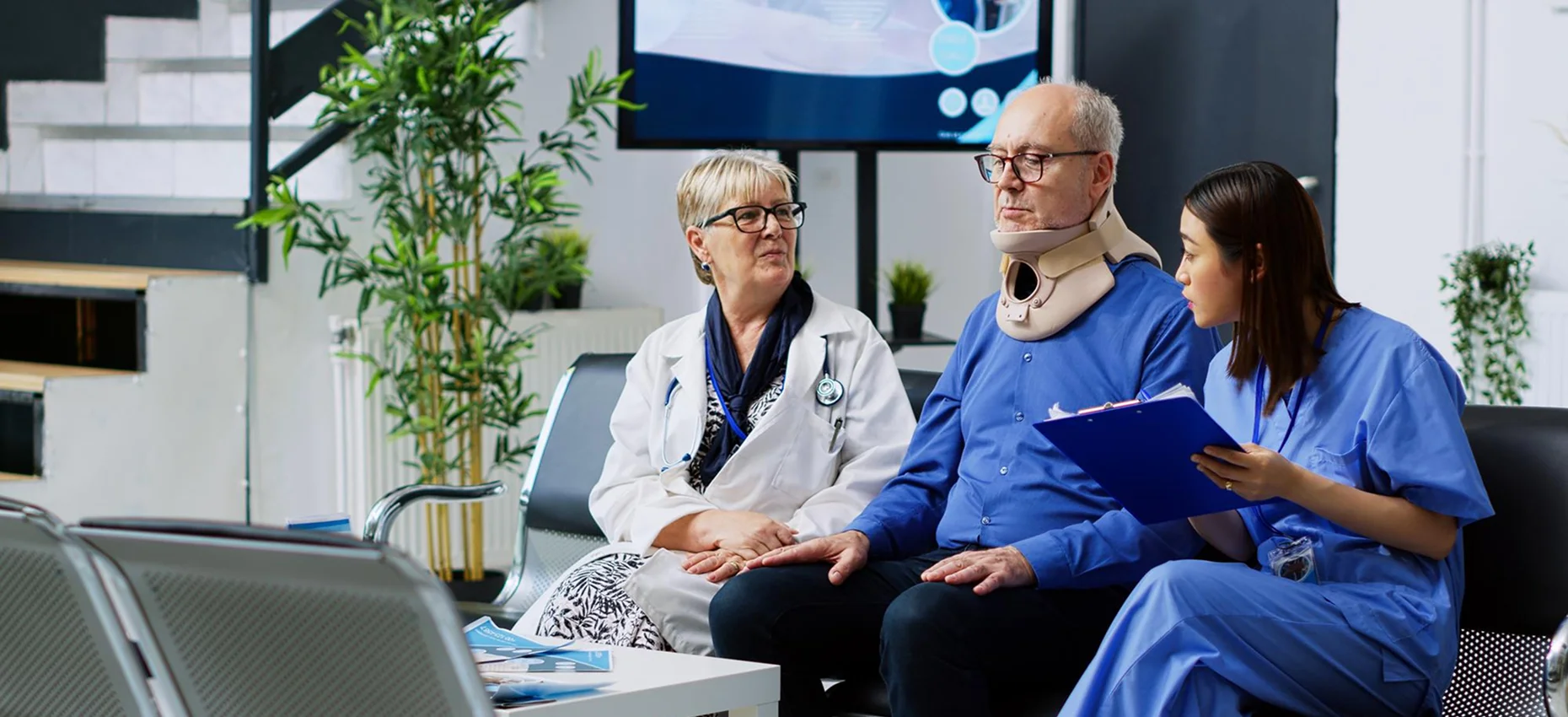

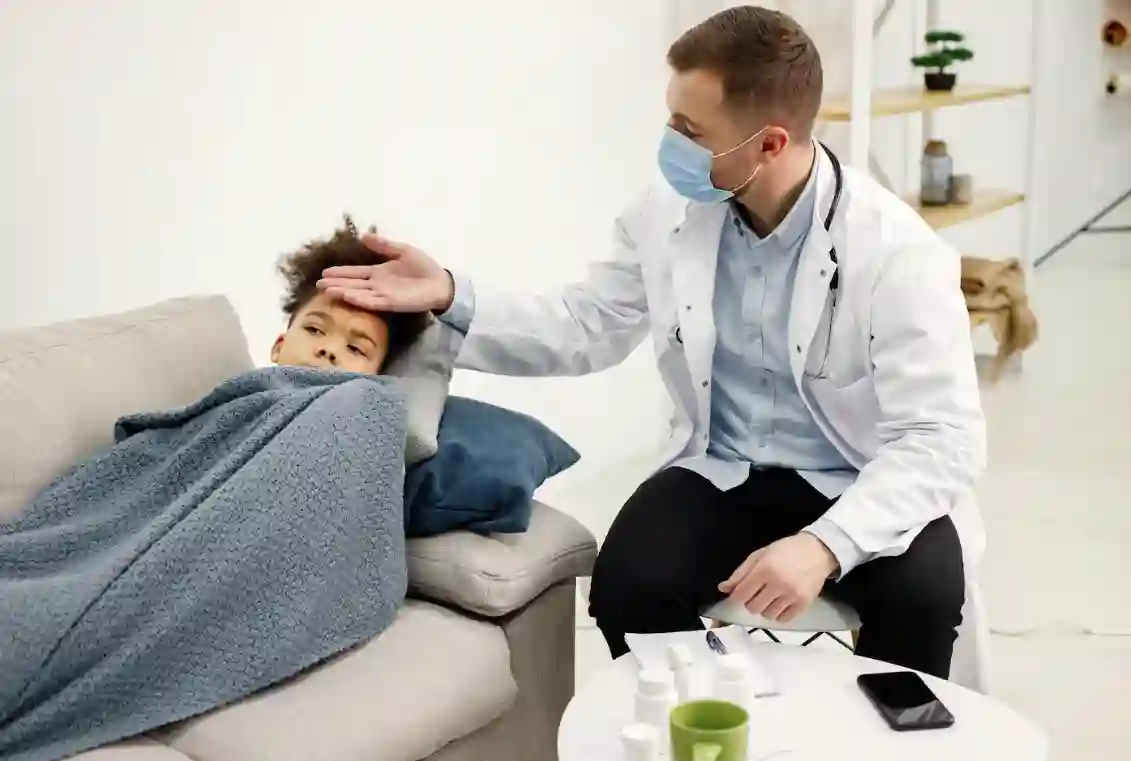
Navigating the journey toward recovery from a medical condition requires a combination of professional guidance, personal commitment, and a structured environment.
Whether you are dealing with a temporary physical ailment or a long-term psychological struggle, the approach to healing must be as unique as the individual seeking care.
Modern medicine offers a diverse spectrum of interventions designed to restore the body and mind to their natural state of balance. By understanding the various levels of care available, you can take proactive steps to regain your vitality and ensure a sustainable path to long-term wellness.
1. Seeking Professional Guidance for Modern Illness Treatments
The first step in addressing any physical health concern is to consult with a medical professional who can provide accurate diagnostic testing. Utilizing evidence-based illness treatments ensures that the root cause of your discomfort is targeted rather than just the superficial symptoms.
These protocols may range from pharmacological interventions and specialized physical therapy to lifestyle adjustments and nutritional support.
Working closely with a healthcare provider allows you to monitor your progress and make necessary adjustments to your recovery plan, ensuring that your body has the resources it needs to heal efficiently and effectively throughout the process.
2. Comprehensive Care through Residential Eating Disorder Treatment
Certain complex conditions require a higher level of immersion to achieve lasting behavioral change and physical stability. For those facing deep-seated challenges with nutrition and self-image, enrolling in a professional residential eating disorder treatment program offers a sanctuary for profound healing.
This type of intensive care provides twenty four hour medical and psychological support in a structured, home-like environment.
By stepping away from daily stressors and focusing entirely on recovery, individuals can address the underlying emotional triggers of their condition while receiving specialized nutritional rehabilitation under expert supervision.
3. The Importance of Mental Health and Emotional Regulation
Treating a physical illness often involves addressing the mental state as well, as the mind and body are intrinsically linked. High levels of stress and anxiety can hinder the immune system and slow down the recovery process for many patients.
Incorporating mindfulness practices, cognitive behavioral therapy, or regular counseling sessions can provide the mental clarity needed to navigate a difficult diagnosis.
Emotional regulation techniques empower you to maintain a positive outlook, which is a critical component of any successful medical journey and helps in managing the psychological burden of chronic conditions over time.
4. Integrative and Holistic Healing Modalities
Many patients find that combining conventional medicine with holistic practices leads to more comprehensive results. Modalities such as acupuncture, therapeutic massage, and herbal supplements can complement standard medical procedures by reducing inflammation and promoting relaxation.
These integrative approaches focus on the whole person rather than just the isolated disease, fostering an environment where the natural healing mechanisms of the body can flourish.
When used in conjunction with professional medical advice, these therapies can enhance your overall quality of life and provide relief from persistent discomfort.
5. Establishing a Strong Foundation through Nutritional Support
Proper nourishment is the fuel that powers every biological process in the human body. During the treatment of an illness or disorder, the nutritional needs of a patient may change significantly to support tissue repair and immune function.
Working with a registered dietitian can help you develop a meal plan that provides essential vitamins and minerals tailored to your specific condition.
A well-balanced diet acts as a natural defense mechanism, helping to stabilize energy levels and improve the efficacy of other medical interventions throughout the recovery phase of your journey.