
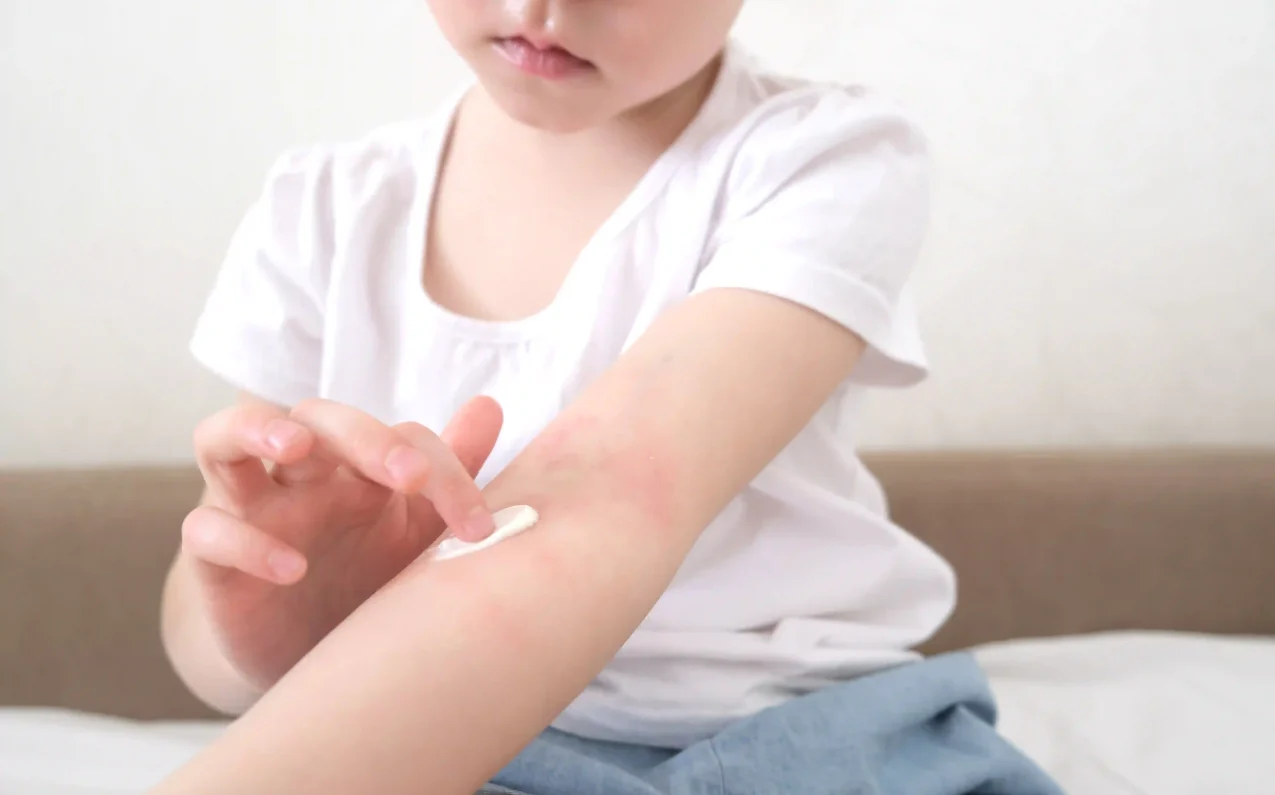
Parents who find it difficult to manage their children with eczema may find the condition overwhelming. It is very frustrating to see your child suffering with inflamed, itchy skin and feeling uncomfortable. Nonetheless, gaining knowledge about eczema and being proactive should enable you to support your child to live with the disease.
The blog focuses on being a very practical guide to parents, one that integrates learning and practical measures to manage eczematics children. Let’s explore the causes, triggers, and innovative methods of dealing with this widespread and difficult skin condition.
What Makes Eczema Unique in Children?
Eczema or atopic dermatitis is a persistent inflammatory condition of the skin which usually starts in childhood, in some cases even at infancy. Although adults can have eczema in various ways, children are most susceptible to it since their immune systems are not fully developed and their skin is more sensitive and thin.
Key Features of Eczema in Children:
- Unexpected Flare-Ups: The symptoms of eczema may occur and disappear unexpectedly.
- Sensitive Skin: The skin of kids is not as tough and it is thus easier to irritate.
- Emotional Impact: Itchy and visible eczema may cause mood problems, sleep disturbances and self-esteem in a child.
What Triggers Eczema in Children?
Eczema does not have one cause but usually it is related to both the genetic factors, environmental factors and sensitivity of the skin. The most important aspect of dealing with the condition is understanding triggers.
1. Environmental Irritants
Environmental factors that are likely to irritate the skin of children are usually exposed to children. These include:
- Harsh soaps and detergents.
- Dust mites and pet dander.
- Pollen, mold, and pollution.
2. Weather Changes
- Cold Weather: The dry, cold air of winter can strip moisture from the skin, worsening eczema.
- Hot Weather: Sweating in the summer can irritate sensitive skin and cause itching.
3. Food Sensitivities
Though food allergies are never the primary cause of eczema, there are children who develop exacerbations when they eat certain foods such as dairy, eggs, peanuts, or wheat.
4. Stress and Sleep Disruption
Eczema is not only a physical ailment, but also stress is a factor that causes an exacerbation. Equally, night itching and poor sleep will lead to a cycle of stress and the aggravation of the symptoms.
An Innovative Approach to Managing Eczema in Children
Rather than mentioning the conventional cures, we will investigate an original and entertaining method to child eczema care. Such measures are meant to make it less stressful for both parents and children to manage eczema.
1. The “Eczema Toolkit” for Kids
Create an “eczema toolkit” filled with items that can help soothe your child’s symptoms. This could include:
- A fun, child-friendly moisturizer applicator (like a small spatula or brush).
- A soft, hypoallergenic blanket for comfort during flare-ups.
- A “cooling buddy,” such as a gel pack wrapped in cloth, to provide instant relief for itchy skin.
Make applying moisturizers or managing flare-ups a playful experience to help your child feel more involved in their care.
2. Storytime Skincare Routine
Routine is popular among children, and it can be easier by combining skincare with a pleasant experience like storytime. For example:
- Read your child a short story and apply a warm moisturizer to the child before going to sleep.
- Allow your child to select books on superheroes or those characters who manage to overcome and get them to feel strong despite their eczema.
This artistic style does not only promote uniformity but also forms the time of connection between you and the child.
3. DIY Eczema-Friendly Bath Time
Bathing can be a soothing experience for children with eczema, but it’s essential to do it right:
- Add Natural Soothing Agents: Incorporate colloidal oatmeal or a splash of apple cider vinegar to calm itchy skin.
- Set the Right Temperature: Keep the water lukewarm, as hot water can dry out the skin.
- Post-Bath Fun: After patting your child’s skin dry (never rubbing), let them apply their moisturizer in a fun way, such as using a timer to “beat the clock.”
4. Reward Systems for Eczema Care
When there is a reward then the chances of children maintaining a routine tend to increase. Invent an easy incentive system:
- A star chart can be used in activities such as moisturizing, avoiding scratching, wearing eczema friendly attire, etc.
- Give minor bribes, whether an extra bedtime story, a sticker or a fun field trip, once your child finishes their care routine.
Building a Child-Friendly Skincare Routine
A consistent skincare routine is the cornerstone of eczema management. Here’s how you can tailor it for your child:
Step 1: Morning Skincare
- Apply a fragrance-free moisturizer before dressing your child for the day.
- Use a mild, eczema-friendly sunscreen if heading outdoors.
Step 2: Midday Itch Relief
- Pack a travel-sized moisturizer for school or daycare. Teach your child to use it when they feel itchy.
- Encourage teachers or caregivers to help your child avoid triggers like rough surfaces or allergens.
Step 3: Evening Wind-Down
- Give your child a lukewarm bath to wash away allergens and hydrate the skin.
- Apply a thicker ointment or cream to lock in moisture overnight.
Empowering Your Child to Manage Their Eczema
As your child grows, it’s important to teach them how to take charge of their eczema care. Empowering them with knowledge and tools can help them feel confident and less frustrated.
1. Teach Through Play
- Create fun scenarios where your child “teaches” their toys how to care for eczema. This reinforces good habits.
2. Explain the “Why” Behind Skincare
- Use simple language to explain why moisturizing and avoiding scratching are important. For example, “Your cream is like a superhero shield that protects your skin from feeling itchy!”
3. Celebrate Small Wins
- Acknowledge your child’s efforts, even if they’re small. Celebrate when they complete a week of consistent care or resist scratching during a flare-up.
When to Seek Professional Help
While home care is effective for managing mild eczema, there are times when professional intervention is needed. Consult your pediatrician or dermatologist if:
- Your child’s eczema becomes infected (e.g., yellow crusting, swelling, or oozing).
- Flare-ups are frequent or severe, despite your best efforts.
- Over-the-counter treatments aren’t providing relief.
A doctor may recommend advanced treatments, such as prescription creams, oral medications, or light therapy.
Conclusion
Treatment of eczema in children may also be difficult, but a chance to teach resilience, self-care, and patience emerges. Parents can relieve their child of suffering, bringing the enjoyment and interaction to the task of eczema care, and producing a sense of independence and self-confidence.
The development of eczema in each child is individual and thus parents should not be disheartened with failure. You can ensure that your child can achieve his/her eczema by being creative, consistent, and adopting professional assistance where necessary.