
Eczema is a chronic skin condition that causes dryness, irritation, and inflammation, often impacting daily comfort, confidence, and overall skin health. While environmental factors such as allergens, climate, and harsh products contribute to flare-ups, the consistent use of creams is essential to manage symptoms and maintain the skin’s barrier function. For individuals who already understand the basics of eczema care, the focus shifts to advanced strategies, including selecting the right creams, applying them properly, and integrating them into a routine that minimizes recurrence and optimizes long-term skin health. This article provides detailed professional guidance on eczema creams, offering practical insights that go beyond general advice.
How Eczema Creams Work
Moisturizing and Barrier Repair
The primary function of eczema creams is to restore and maintain the skin’s protective barrier. Emollients, occlusives, and humectants work together to lock in moisture, reduce water loss, and shield the skin from external irritants. Consistent application strengthens the skin’s natural defenses, preventing flare-ups, reducing dryness, and improving overall comfort. Professionals emphasize that barrier repair should be continuous, even during periods when visible symptoms are minimal, because maintaining hydration over time reduces susceptibility to irritation and promotes long-term skin resilience, ensuring the skin can recover faster during flare-ups.
Anti-inflammatory Ingredients
Many eczema creams contain active ingredients designed to reduce inflammation and relieve itchiness. Corticosteroids are commonly used to target redness, swelling, and irritation, while non-steroidal alternatives like calcineurin inhibitors provide an effective solution without the risks of prolonged steroid use. Understanding how these ingredients work, the proper strength to use, and when to apply them is crucial for managing flare-ups safely. Correct selection and application prevent potential complications, improve comfort quickly, and maintain the skin’s health while reducing the likelihood of recurring inflammation over time.
Types of Eczema Creams
Over-the-Counter Options
OTC creams are widely available and typically serve as the first line of defense for mild eczema. They often include ingredients such as ceramides, glycerin, and urea, which help hydrate and support the skin barrier. These products are generally safe for frequent use and effective for mild flare-ups or as part of a consistent maintenance routine. For patients with recurring mild symptoms, OTC creams provide foundational care and prevent escalation. Professionals advise evaluating how the skin responds over time to determine if stronger, prescription-strength creams may be necessary for longer-term management.
Prescription Creams
Prescription formulations, including corticosteroids and calcineurin inhibitors, are indicated for moderate to severe eczema. They offer targeted relief, reduce inflammation rapidly, and address flare-ups that OTC creams cannot manage effectively. Safe administration requires careful attention to dosage, frequency, and treatment duration, along with monitoring for side effects such as skin thinning, discoloration, or irritation. Dermatologists often personalize prescriptions based on the patient’s age, skin type, flare pattern, and overall treatment goals to ensure maximum benefit while minimizing potential risks.
Natural and Alternative Creams
Natural remedies, including plant-based oils, colloidal oatmeal, and shea butter, provide soothing relief and help maintain hydration for irritated skin. These creams are particularly valuable for sensitive individuals or for those seeking complementary options alongside standard treatments. Evidence suggests they can reduce itching and provide comfort during mild flare-ups, although they are generally less potent than prescription creams. Professionals recommend patch testing any new natural product and using them strategically to complement medically proven treatments without replacing necessary therapeutic creams.
Choosing the Right Eczema Cream
Assessing Skin Type and Severity
Selecting the appropriate cream depends on both skin type and the severity of eczema. Dry, sensitive skin responds best to heavier, occlusive creams, while inflamed, oozing, or acutely irritated skin may require lighter formulations that contain anti-inflammatory properties. Severity also guides whether an OTC product is sufficient or whether prescription-strength treatment is necessary. Professionals highlight that individual assessment is key, as flare patterns, personal tolerance, and response to past treatments influence which cream provides the best combination of relief, safety, and long-term effectiveness.
Considering Ingredients and Sensitivities
Certain ingredients can aggravate eczema rather than improve it. Fragrances, alcohols, harsh preservatives, and some essential oils may trigger irritation. Choosing creams labeled hypoallergenic or dermatologist-tested reduces the likelihood of adverse reactions. Understanding ingredient function and potential sensitivities allows patients and clinicians to make informed choices, ensuring that creams enhance healing and comfort without worsening existing inflammation. Personalized selection based on previous skin reactions and allergy history is particularly effective in managing long-term eczema.
Practical Tips for Selecting Products
Choose creams with high ceramide content to strengthen the skin barrier and retain moisture.
Avoid unnecessary additives and potential allergens to minimize irritation risk.
Consult dermatologists or pharmacists for personalized guidance based on past responses and flare history.
Consider the balance between moisturizing and anti-inflammatory properties to match the skin’s specific needs.
Test new creams on small areas before full application to prevent unexpected reactions.
Proper Application and Routine
Correct Application Techniques
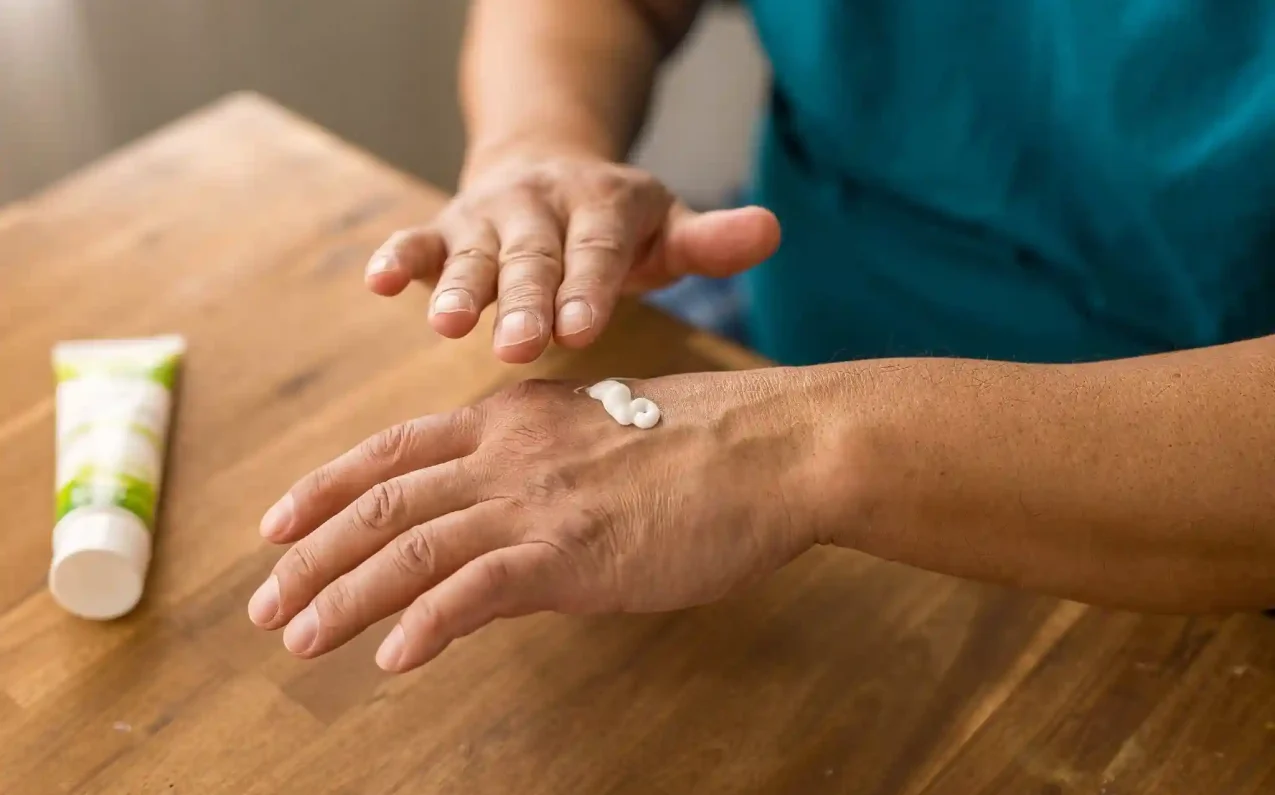
Even the most effective creams may fail if applied improperly. A thin, even layer should be applied directly to affected areas and gently massaged into the skin. Over-application does not improve results and can increase the risk of side effects for medicated creams. Professionals recommend following product instructions closely, adjusting frequency based on the severity of symptoms, typically multiple times daily during flare-ups, and at least once daily during maintenance. Attention to technique ensures maximum absorption and consistent results.
Integrating Creams Into Daily Skincare
Timing and routine are critical to efficacy. Applying creams immediately after bathing helps lock in moisture and enhances absorption. For patients using multiple products, sequencing is important: medicated creams often precede emollients to maximize effect, while maintenance creams support barrier function over time. Integrating creams into a structured daily routine significantly reduces flare intensity, improves overall skin health, and enhances the skin’s resilience against future irritants or allergens.
Advanced Insights and Expert Tips
Monitoring Skin Response
Observing how the skin reacts to specific creams over time provides valuable feedback for treatment adjustments. Noting improvements, worsening symptoms, or new irritation allows clinicians to refine therapy, switching products or adjusting frequency when needed. Tracking progress is an essential component of personalized eczema care and helps optimize outcomes while avoiding unnecessary complications.
Combining Therapies
Eczema management is most effective when topical creams are part of a broader strategy. Lifestyle measures, dietary considerations, and stress management complement the benefits of creams. For example, reducing exposure to known triggers, such as harsh detergents or allergens, can enhance cream effectiveness. A holistic approach combining topical therapy with environmental and behavioral strategies often leads to better long-term control and fewer flare-ups.
Avoiding Common Mistakes
Overuse of corticosteroid creams can lead to skin thinning, discoloration, and other complications.
Skipping maintenance therapy during symptom-free periods allows the barrier to weaken and increases flare risk.
Ignoring environmental triggers, such as low humidity, harsh soaps, or allergens, can undermine treatment.
Frequently switching creams without monitoring skin response can delay improvement and complicate assessment.
Conclusion
Eczema creams play a central role in managing irritated skin, alleviating inflammation, and preventing flare-ups. Selecting the right cream requires understanding skin type, disease severity, ingredient composition, and patient sensitivities. Proper application, consistent use, and integration into a daily skincare routine maximize therapeutic benefits. Combining professional guidance with patient-specific strategies ensures effective eczema management, reduces recurrence, and supports long-term skin health. A proactive approach, focusing on both treatment and prevention, is key to maintaining comfort, resilience, and quality of life for individuals affected by eczema.