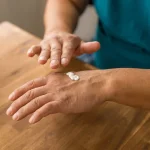

Eczema is a chronic skin condition that causes redness, itching, and irritation. While topical creams remain a cornerstone of symptom management, many people notice their treatments don’t always work as expected. The truth is, the effectiveness of eczema creams isn’t just about the product itself. Internal factors like diet and stress, as well as external elements such as the environment, can significantly influence results.
Understanding these influences is essential for anyone who relies on topical treatments. By addressing lifestyle and environmental factors, you can enhance the impact of your eczema cream, reduce flare-ups, and protect your skin barrier more effectively. In this article, we explore how nutrition, stress, and environmental conditions interact with eczema treatment and provide practical tips to optimize cream performance.
Diet and Eczema Cream Effectiveness
What you eat affects your skin more than many people realize. Diet plays a major role in inflammation, hydration, and barrier repair—all of which influence how well eczema creams work. Poor nutrition can counteract even the most effective topical treatments, while a balanced diet can boost their results.
Pro-Inflammatory Foods
Certain foods can increase inflammation and exacerbate eczema symptoms. Processed snacks, sugary treats, and high-fat animal products can trigger flare-ups and reduce the skin’s ability to respond to creams. These foods often spike blood sugar levels, releasing inflammatory molecules that affect the skin.
Even if you consistently apply your eczema cream, consuming pro-inflammatory foods can make the skin redder, itchier, and more prone to irritation. Over time, chronic inflammation may decrease the cream’s ability to restore the skin barrier effectively. Limiting these foods while monitoring your skin’s reaction can help improve overall outcomes.
Anti-Inflammatory Nutrients
On the other hand, nutrient-rich foods can enhance skin healing and the absorption of topical treatments. Omega-3 fatty acids from fatty fish, flaxseeds, and chia seeds reduce inflammation, supporting the cream’s soothing effects. Antioxidant-rich fruits and vegetables combat oxidative stress and promote cellular repair.
Hydration is also critical. Drinking enough water improves skin elasticity and helps creams penetrate deeper, making them more effective. Combining a balanced diet with consistent topical care provides a synergy that protects the skin and reduces flare-ups over time.
Stress and Its Impact on Eczema Creams
Stress affects the body in profound ways, and the skin is no exception. When the body is under chronic stress, inflammatory responses increase, which can interfere with eczema treatments. Stress doesn’t just make symptoms worse—it can also reduce the cream’s effectiveness.
Cortisol and Skin Barrier Function
Chronic stress elevates cortisol, a hormone that can impair skin barrier repair and increase water loss. Even if you apply a high-quality eczema cream, the skin may struggle to retain moisture and heal properly when cortisol levels are consistently high.
Practical stress management strategies can make a tangible difference. Techniques such as mindfulness, deep-breathing exercises, meditation, and regular physical activity reduce cortisol levels and support skin healing. For people with eczema, combining these strategies with topical treatments enhances the overall effectiveness of creams.
Environmental Factors Affecting Cream Performance
External conditions, including climate, pollution, and household irritants, influence how well eczema creams work. Skin exposed to harsh conditions or pollutants may absorb creams less effectively, limiting their benefits.
Weather and Climate Considerations
Temperature and humidity directly affect skin moisture. Dry air and cold climates strip natural oils from the skin, reducing hydration and making creams less effective. On the other hand, hot, humid conditions can cause sweating, which may dilute creams and reduce absorption.
Seasonal adjustments to your skincare routine are essential. In winter, heavier moisturizers and occlusive creams help trap water, while in summer, lightweight, non-greasy formulations prevent discomfort from sweat. Adapting your routine to the climate ensures creams perform at their best year-round.
Exposure to Pollutants and Irritants
Indoor and outdoor pollutants can compromise the skin barrier and interfere with topical treatment. Household chemicals, smoke, and air pollutants contribute to inflammation and irritation, making creams less effective.
Practical steps like using air purifiers, avoiding harsh cleaning products, and washing off pollutants after exposure can help. Protecting treated skin from environmental irritants allows creams to work without being neutralized by external factors.
Maximizing Eczema Cream Effectiveness
Optimizing eczema cream effectiveness involves more than choosing the right product. Timing, application technique, and lifestyle modifications all play a role in achieving better results.
Skincare Routine Tips
Apply creams immediately after bathing when the skin is slightly damp to lock in moisture. Layering creams on a hydrated base enhances absorption and improves the skin barrier.
Avoid products with alcohol, fragrances, or harsh exfoliants, as they can counteract the benefits of eczema creams. Protective measures, such as wearing breathable fabrics and using gloves when handling chemicals, further support skin health and allow creams to perform optimally.
Lifestyle adjustments, including maintaining a balanced diet, managing stress, and reducing exposure to environmental triggers, create an environment where creams can work more effectively. Integrating these habits into your routine ensures a holistic approach to eczema management.
When to Consult an Eczema Doctor
Sometimes, even with an optimal diet, stress management, and environmental control, creams may not deliver expected results. Persistent flare-ups, infections, or worsening symptoms signal the need for professional evaluation.
An eczema doctor can assess your skin, recommend prescription-strength creams or combination therapies, and provide guidance on dietary and lifestyle changes. Personalized advice ensures that creams are used most effectively for your unique condition. Early intervention can prevent long-term damage and improve your overall quality of life.
Conclusion
The effectiveness of eczema creams extends beyond the product itself. Diet, stress, and environmental factors all play critical roles in determining how well treatments work. Pro-inflammatory foods, chronic stress, and harsh environmental conditions can reduce cream absorption and delay healing, while anti-inflammatory nutrition, stress management, and protective measures enhance results.
To maximize eczema cream effectiveness, adopt a holistic approach that combines proper topical application with lifestyle and environmental strategies. Monitor your diet, manage stress proactively, and protect your skin from irritants. Consulting an eczema doctor when needed ensures that treatments are tailored, safe, and effective, providing long-term relief and healthier skin.
FAQs
1. How does diet affect eczema cream effectiveness?
Diet impacts inflammation and skin barrier health. Pro-inflammatory foods can reduce cream absorption, while nutrient-rich diets enhance healing and improve topical treatment results.
2. Can stress make eczema creams less effective?
Yes. Chronic stress elevates cortisol, impairing skin repair. Managing stress through mindfulness, exercise, or therapy improves skin barrier function and supports cream effectiveness.
3. Which environmental factors influence cream performance?
Temperature, humidity, and exposure to pollutants affect absorption and hydration. Protecting skin from harsh conditions and irritants helps creams work more effectively.
4. How can I maximize the effectiveness of my eczema cream?
Apply creams on slightly damp skin, layer for absorption, avoid irritants, and maintain a healthy diet and stress-free lifestyle for better outcomes.
5. When should I see an eczema doctor regarding cream effectiveness?
If creams fail to relieve symptoms, if flare-ups worsen, or if infections appear, consult a doctor for personalized treatment and advice on lifestyle adjustments.