

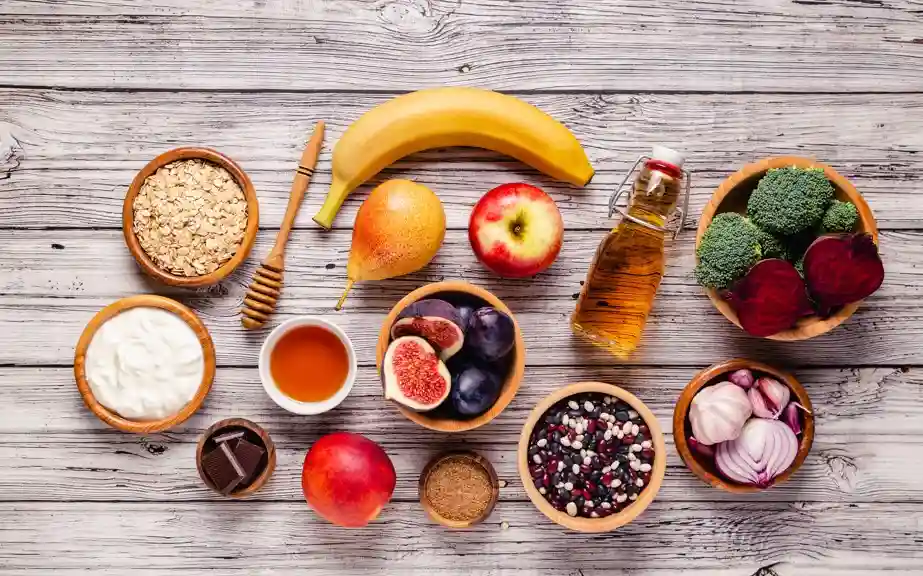
Eczema or atopic dermatitis is a persistent skin disease that presents with dry, swollen, inflamed skin. Although genetics and environmental triggers are important, the diet can affect eczema, either positively or negatively, and stimulate an exacerbation of the condition. Knowledge of foods beneficial or detrimental to the human body can play a big role in symptom management and preserving a healthier skin.
This guide will explain the relationship to eczema, food recommendations, and effective ways to develop a healthy eating plan. The appropriate diet can be used to complement your eczema routine whether you need to reduce flare-ups, maintain your skin barrier, or generally enhance the level of inflammation.
How Diet Influences Eczema
The reflection of your physical health is on your skin. In individuals with eczema, some food items could aggravate inflammation, whereas others can help to maintain the immune system and the skin defense. Key connections include:
- Inflammation reactions: There are foods which can provoke the systemic inflammatory reaction, aggravating eczema.
- Allergic reactions: Ordinary allergens could cause flare-ups.
- Malnutrition: Vitamins and minerals deficiency may decrease skin health.
Even though diet per se never heals eczema, it can decrease the rate and intensity of flare-ups when used in combination with a regular skincare regimen.
Foods That May Trigger Eczema Flare-Ups
Identifying and avoiding foods that trigger eczema can help control inflammation. Common triggers include:
1. Dairy Products
Milk, cheese, and yogurt may provoke eczema in some individuals, particularly children. Lactose intolerance or milk protein sensitivity can exacerbate inflammation and itching.
2. Eggs
Eggs are a common allergen that may trigger flare-ups in sensitive people, especially children.
3. Gluten and Wheat Products
For individuals with gluten sensitivity or celiac disease, consuming wheat-based foods may worsen eczema.
4. Processed and Sugary Foods
Refined sugars, baked goods, and heavily processed snacks may increase systemic inflammation and worsen skin dryness and redness.
5. Soy and Nuts
While healthy for many, soy and certain nuts may trigger reactions in sensitive individuals. Monitor symptoms carefully when consuming these foods.
Foods That Support Eczema Management
Just as certain foods worsen eczema, others can help maintain skin health, reduce inflammation, and strengthen the skin barrier.
1. Fatty Fish
Salmon, mackerel, and sardines are rich in omega-3 fatty acids, which have anti-inflammatory properties and can reduce itching and redness.
2. Leafy Greens
Spinach, kale, and Swiss chard provide antioxidants, vitamins, and minerals that support skin repair and immune function.
3. Berries
Blueberries, strawberries, and blackberries contain antioxidants that reduce inflammation and protect the skin from oxidative stress.
4. Probiotic-Rich Foods
Yogurt with live cultures, kefir, and fermented foods like sauerkraut promote gut health, which can indirectly influence eczema symptoms.
5. Healthy Fats
Avocado, olive oil, and flaxseed provide essential fatty acids that nourish the skin barrier and improve hydration.
Tips for Identifying Food Triggers
Since triggers vary by person, a systematic approach is essential. Keeping a food diary is especially effective when combined with learning how to identify eczema triggers, as it helps connect dietary choices with delayed skin reactions.
Consider the following:
- Keep a food diary: Track everything you eat and any skin reactions. Patterns often emerge over time.
- Introduce one new food at a time: Helps isolate potential triggers.
- Work with a healthcare professional: Allergists or dietitians can perform tests or guide elimination diets safely.
- Be patient: Some reactions are delayed, appearing hours or even a day later.
Sample Eczema-Friendly Meal Ideas
Creating an eczema-friendly diet doesn’t have to be bland. Here are some examples:
- Breakfast: Oatmeal with blueberries, chia seeds, and a drizzle of flaxseed oil
- Lunch: Grilled salmon salad with spinach, avocado, and olive oil dressing
- Snack: Coconut yogurt with strawberries and pumpkin seeds
- Dinner: Quinoa bowl with roasted sweet potatoes, kale, and turmeric-spiced chickpeas
These meals combine anti-inflammatory ingredients while avoiding common allergens for many eczema sufferers.
Hydration and Its Role
Skin barrier is very important to the health of water. When well hydrated, the skin is soft and is unlikely to crack or be irritated. At least 8-10 glasses per day, depending on activity and climate.
Herbal teas such as chamomile or rooibos may be relaxing and help to keep you hydrated, however, do not use caffeinated teas that dehydrate you.
Supplements That May Help
While whole foods are always preferred, certain supplements may support eczema management:
- Omega-3 fatty acids: Reduce systemic inflammation
- Vitamin D: Supports immune function and skin health
- Probiotics: Promote gut microbiome balance
- Zinc: Supports skin repair
Always consult a healthcare provider before starting supplements, especially for children or if you’re on medications.
Lifestyle Factors That Complement Diet
Diet is one piece of the puzzle. Other lifestyle factors can amplify its effect:
- Regular moisturizing: Locks in hydration
- Stress management: Stress can trigger flare-ups
- Sleep: Poor sleep impairs skin repair
- Gentle skincare products: Avoid harsh soaps and fragrances
A combined approach of diet, skincare, and lifestyle adjustments provides the best results.
FAQs
1. Can eliminating certain foods cure eczema?
Elimination diets can help to shorten the flare-ups, although it does not cure eczema. The fact is that some individuals are lucky to avoid certain allergens although the outcomes are different. Anti-inflammatory diet, skincare, and medical treatment are normally the most effective in producing the best results.
2. Are probiotics really effective for eczema?
Probiotics have the potential to assist individuals by providing intestinal health that affects immunity. Although they do not cure, research indicates that in some instances, probiotics can minimize severity and frequency of flare-ups in eczematous patients. Select live cultures and consult a medical practitioner on the dosage.
Final Thoughts
Diet is very important to the skin health of eczematous individuals. Although triggers differ in each case, paying much attention to anti-inflammatory and nutritious foods and avoiding possible allergens can help to alleviate the skin and decrease the flare-ups. Together with a regular skincare regimen, hydration and lifestyle changes, considered diet may enable you to deal with eczema on behalf of instead of being reactive. Paying attention to what you choose to consume can help you maintain your skin internally and have the happier and healthier skin each and every single day.