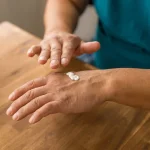


Dermatitis is among the most widespread skin issues that affect children, teens, and adults whose symptoms may be characterized by itchiness, skin drying, inflammation, and painful flare-ups. Although a variety of different types of dermatitis exist, eczema (atopic dermatitis), contact dermatitis and seborrheic dermatitis are only a few examples, the principles of management are astonishingly similar. The trick is to learn how to deal with the symptoms on a daily basis, avoid exacerbations, and maintain your skin barrier in the long run.
Dermatitis care tips are what you will learn in this broad guide so that you can manage your skin and not allow the instance to have control of your life. Regardless of the seasonal nuisance, long-lasting dryness or unexpected response to the products or environmental stimuli, these measures can assist you in establishing a dependable routine that will indeed aid in healing.
Understanding Dermatitis and Skin Barrier Health
It is necessary to know what dermatitis is before leaping into care tips. Dermatitis is a disease that strikes the skin barrier that is compromised or in other words, has lost its moisture, weakened and it can no longer defend itself against irritants as well as allergens. As soon as the barrier is damaged, the inflammation enters the scene, and it is accompanied by redness, itching, and pain.
The tips to improve the care of your Dermatitis begin with one thought, strengthening the barrier, and strengthening your skin.
Healthy skin barrier prevents moisture loss, keeps the irritants out and changes sensitivity. That is why regular treatment of the skin is necessary, not only the treatment of flare-ups.
Step 1: Identify the Type of Dermatitis You Have
Proper care begins with knowing your specific condition. While only a dermatologist can diagnose you, here are simple indicators:
- Atopic dermatitis (eczema): chronic, itchy, dry patches
- Contact dermatitis: rash triggered by irritants or allergens
- Seborrheic dermatitis: flaking, redness, especially on scalp or oily areas
- Nummular dermatitis: coin-shaped patches
- Stasis dermatitis: inflammation around lower legs due to poor circulation
Understanding your type helps you choose the right products and lifestyle adjustments.
Step 2: Build a Gentle Daily Skincare Routine
Daily care is essential for managing dermatitis. Even on good days, consistent hydration prevents future flares.
Cleanse with care
Do not use dusty cleansers, scrubs or foaming sulfate formulas. Rather, select cream or gel cleansers that are fragrance-free and those that are sensitive to the skin. Washing must not be done to the extent of depriving natural oils.
Moisturize immediately after bathing
The moisture is best taken in when the skin is wet. One of the most useful tips of Dermatitis Care is the so-called 3-minute rule: it is better to apply moisturizer in 3 minutes after a shower to seal the moisture.
Look for moisturizers containing:
- Ceramides (barrier repair)
- Colloidal oatmeal (soothing)
- Hyaluronic acid (hydration)
- Petrolatum or shea butter (seal in moisture)
Keep your routine simple
The skin is easy to react to dermatitis. There should be no excessive use of serums, exfoliants, strong acids and perfumed products. Simple tests such as cleanser + moisturizer could be the safest point to start with.
Step 3: Learn What Triggers Your Dermatitis
Triggers vary by person but usually fall into categories such as environmental exposure, ingredients, stress, or diet. Identifying patterns helps prevent flare-ups before they start.
Common triggers include:
- Fragranced soaps, lotions, detergents
- Wool clothing
- Weather changes, especially cold/dry air
- Sweat and friction
- Hard water
- Emotional stress
- Certain foods (varies by person)
- Nickel or metal allergies
- Household cleaners
Keeping a skin diary can make triggers obvious over time. Record what products you use, foods you eat, weather changes, and stress levels.
Step 4: Manage Flare-Ups Quickly and Calmly
Even with excellent care, flare-ups can happen. What matters is how you respond.
Use targeted treatments
Your doctor may recommend:
- Hydrocortisone or prescription steroid creams
- Calcineurin inhibitors (tacrolimus/pimecrolimus)
- Anti-inflammatory lotions
- Medicated shampoos for seborrheic dermatitis
- Barrier repair creams
Avoid scratching
Easier said than done, but scratching worsens inflammation and increases infection risk. Keep nails short and consider cold compresses to relieve itching.
Simplify your routine during flares
Stop using all non-essential products. Stick to a gentle cleanser, a soothing moisturizer, and medication if prescribed.
Step 5: Pay Attention to Fabric, Laundry, and Daily Habits
Many people overlook how daily habits impact dermatitis.
Choose skin-friendly fabrics
Wear breathable materials like cotton or bamboo. Avoid wool and rough textures that irritate the skin.
Switch to fragrance-free laundry detergent
Residue from detergents is a common trigger. Opt for hypoallergenic, dye-free products.
Shower with warm—not hot—water
Hot water strips natural oils and worsens dryness.
Humidify your environment
A humidifier adds moisture back into dry indoor air, especially in winter.
Small lifestyle changes often bring major improvements.
Step 6: Support Your Skin from the Inside Out
Dermatitis is affected by overall health. What you eat, drink, and feel emotionally can directly impact your skin.
Stay hydrated
Water supports barrier function and reduces dryness.
Consider anti-inflammatory foods
While dermatitis isn’t caused by diet alone, some foods may help reduce inflammation:
- Fatty fish (omega-3-rich)
- Leafy greens
- Berries
- Turmeric and ginger
Manage stress
Stress doesn’t cause dermatitis, but it can worsen symptoms. Healthy stress-reducing habits include:
- Deep breathing
- Light exercise
- Journaling
- Meditation
- Spending time outdoors
Emotional wellness is a surprisingly important part of dermatitis care.
Step 7: Know When to Consult a Dermatologist
While many symptoms can be managed at home, certain signs indicate you need professional care:
- Severe, widespread flare-ups
- Cracked or bleeding skin
- Signs of infection (yellow crusts, warmth, swelling)
- No improvement after weeks of at-home care
- Impact on sleep or daily life
Dermatologists can offer prescription treatments or advanced therapies that bring relief faster.
Conclusion
There are no quick cure methods of managing dermatitis and that is why it is better to build your own steady routine which day by day provides more strength to your skin. When equipped with the appropriate dermatitis care tips, a lot of relief is felt and fewer flare-ups are realised in the long run. Knowing your triggers, keeping your skin care simple, taking good care of your environment, and ensuring your body is well taken care of can help you create a lifestyle that views barrier health and comfort in the long term as its priorities.
You do not need to be in constant fear of flare-ups. Healthy, comfortable skin is a certainty, but it has to be a matter of time and proper advice.