

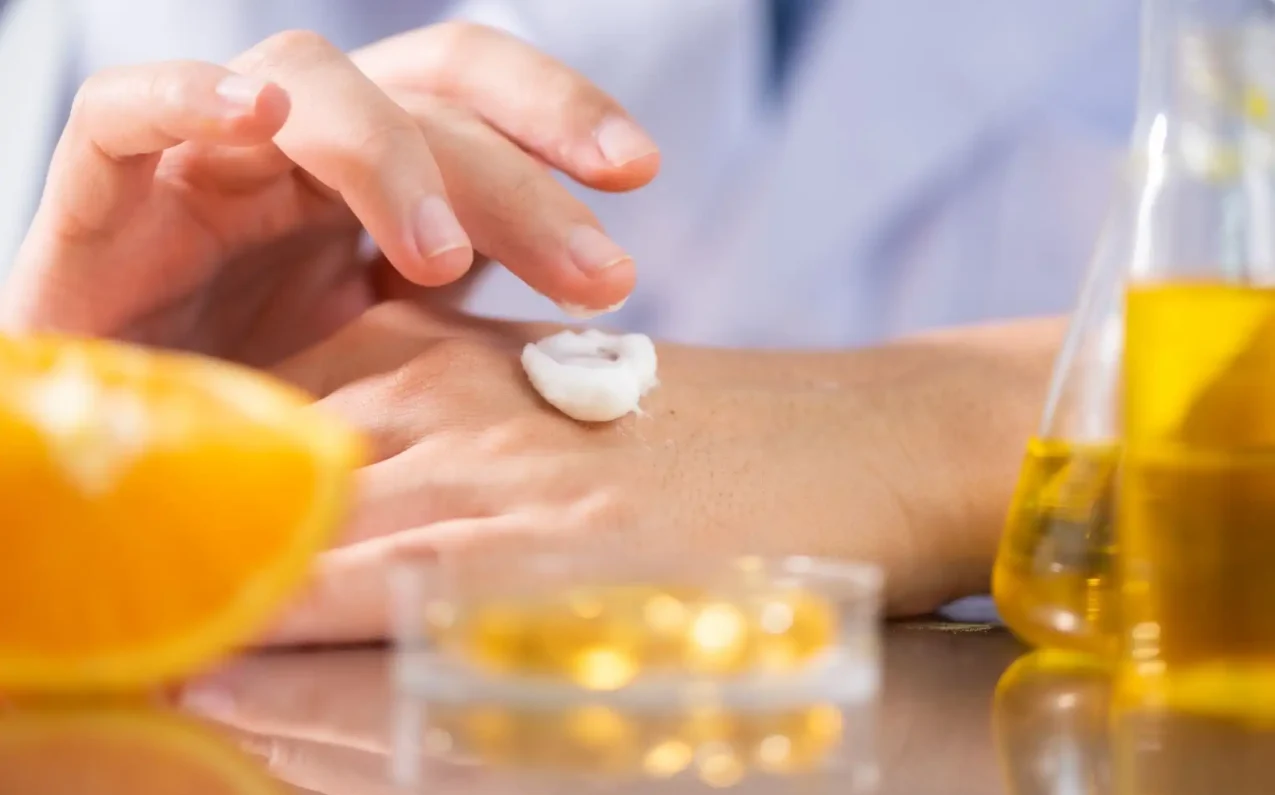
Chemical irritant dermatitis is a common skin condition caused by repeated or prolonged exposure to substances that damage the skin barrier. Unlike allergic dermatitis, it does not require an immune-mediated reaction. Everyday products, industrial chemicals, and environmental pollutants can all trigger irritation, leading to redness, itching, and inflammation. First-time exposure may cause mild symptoms, but repeated contact often worsens the condition. Understanding chemical irritant dermatitis, its causes, risk factors, and management is essential for anyone regularly exposed to potentially irritating substances.
Understanding Chemical Irritant Dermatitis
Chemical irritant dermatitis occurs when the skin’s natural defences are compromised. The epidermis, particularly the stratum corneum, acts as a barrier to moisture loss, pathogens, and irritants. When chemicals strip away oils or disrupt this layer, inflammation occurs. Common triggers include detergents, solvents, acids, and alkaline substances. Symptoms often appear at the site of contact but can spread if exposure is frequent. Unlike allergic reactions, irritation is dose-dependent—the higher the concentration and longer the exposure, the greater the risk. Awareness and preventive measures are crucial to avoid chronic skin damage.
How Chemicals and Irritants Affect the Skin
Disruption of the Skin Barrier
The skin barrier relies on lipids and proteins to maintain hydration and protect underlying tissue. Chemicals such as cleaning agents or solvents remove these protective elements. This leaves skin vulnerable to dryness, cracking, and microbial invasion. Even low-concentration irritants can cause cumulative damage over time, particularly in sensitive individuals or those with pre-existing conditions.
Inflammatory Response and Symptoms
Once the barrier is compromised, the body triggers an inflammatory response. Common signs include redness, swelling, burning sensations, and itching. Over time, chronic exposure can cause thickened, scaly patches, fissures, or hyperpigmentation. In severe cases, bacterial infections may complicate dermatitis, emphasizing the need for early intervention. Recognizing patterns of irritation helps distinguish chemical irritant dermatitis from allergic or fungal conditions.
Common Sources of Chemical Irritants
- Household Cleaning Agents and Detergents: Soaps, bleach, and dishwashing liquids often contain harsh compounds. Frequent handwashing without protective gloves increases risk.
- Industrial Chemicals and Solvents: Manufacturing, laboratories, and construction work expose workers to acids, alkalis, and petroleum products. Protective equipment is essential.
- Cosmetics, Fragrances, and Topical Medications: Certain preservatives, fragrances, or acne treatments can irritate sensitive skin. Patch testing before use reduces risk.
- Environmental Exposures: Pollutants, pesticides, and airborne chemicals contribute to chronic irritation, particularly in urban or agricultural areas.
Risk Factors for Developing Dermatitis
Individual Susceptibility
Genetics and skin type play a role. Individuals with eczema, psoriasis, or naturally sensitive skin are more prone to irritation. Age also matters; older adults may have thinner skin, increasing vulnerability.
Frequency and Duration of Exposure
Repeated contact, prolonged handling, or improper protective measures dramatically increase risk. Occupational exposure often accounts for persistent cases, highlighting the importance of workplace safety protocols and training.
Identifying and Diagnosing Chemical Irritant Dermatitis
Early identification is critical. Symptoms typically appear in areas of direct contact, like hands, forearms, or face. Medical professionals may use patch testing to rule out allergies. Accurate diagnosis ensures appropriate treatment and prevents unnecessary avoidance of non-irritant substances. Differentiating between allergic and irritant dermatitis helps guide preventive measures and treatment strategies.
Preventive Measures and Safe Practices
- Protective Equipment: Gloves, long sleeves, and barrier creams shield skin from irritants. Choose materials resistant to chemicals handled.
- Proper Handling and Storage: Diluting strong chemicals, following manufacturer instructions, and storing substances safely reduces accidental exposure.
- Minimising Exposure at Home and Work: Avoid excessive handwashing with harsh soaps, rinse thoroughly, and use moisturisers to maintain the barrier.
Treatment and Management Strategies
Topical Therapies and Moisturisers
Restoring the skin barrier is key. Emollients and barrier creams reduce moisture loss and irritation. Anti-inflammatory creams like mild corticosteroids relieve redness and itching. Consistent application accelerates healing and prevents flare-ups.
Lifestyle Adjustments
Avoiding known irritants, practising gentle cleansing routines, and wearing breathable, non-irritating fabrics all support skin recovery. Adjusting habits, such as using gloves while cleaning or switching to fragrance-free products, prevents repeated damage.
When Medical Intervention Is Needed
Persistent, severe, or spreading dermatitis requires dermatologist’s evaluation. Prescription-strength topical treatments, phototherapy, or systemic medication may be necessary for chronic cases. Early professional care reduces the risk of complications and long-term skin changes.
Long-Term Skin Health Considerations
Chronic chemical irritant dermatitis can lead to thickened skin, pigmentation changes, and heightened sensitivity. Regular skin monitoring, continued use of protective measures, and awareness of workplace exposures help prevent recurrence. Education about skin safety and mindful daily practices ensures long-term protection.
Emerging Research and Trends
Recent studies focus on barrier repair technology, such as ceramide-rich moisturisers, and safer chemical formulations to reduce irritant potential. Workplace regulations increasingly mandate PPE for at-risk professions, and advances in patch testing improve early detection. Innovations aim to reduce both acute and chronic dermatitis cases, emphasising prevention over treatment.
Conclusion
Chemical irritant dermatitis is preventable with the right knowledge, habits, and tools. Identifying common irritants, using protective equipment, and practising proper skin care significantly reduce risk. Early recognition and treatment minimise complications, while long-term precautions maintain skin health. Awareness, combined with practical strategies, empowers individuals to manage exposure confidently, protecting both skin integrity and overall well-being.
FAQs
1. What is the main difference between chemical irritant dermatitis and allergic dermatitis?
Chemical irritant dermatitis results from direct damage to the skin barrier, while allergic dermatitis involves an immune reaction to a specific allergen.
2. Which household items commonly trigger chemical irritant dermatitis?
Cleaning agents, detergents, bleach, dishwashing liquids, and certain cosmetics or fragranced products frequently cause irritation in sensitive individuals.
3. How can workers prevent occupational chemical irritant dermatitis?
Using protective gloves, barrier creams, proper clothing, and safe chemical handling procedures significantly reduces exposure and long-term risk.
4. When should someone seek medical attention for dermatitis?
If dermatitis is severe, persistent, spreading, or accompanied by infection, a dermatologist should evaluate it for proper treatment.
5. Are moisturisers effective in preventing chemical irritant dermatitis?
Yes. Regular use of emollients and barrier creams strengthens the skin’s defences, reduces dryness, and helps prevent flare-ups caused by irritants.