
Living with eczema implies learning how to treat your skin in a manner that helps it recover, avoid exacerbation and ensure that your irritation is minimized. Although other types of treatment like prescription creams are very significant, adherence to your Daily Skincare Routine is equally effective. A good routine will make your skin more resilient to the environment, less dry, soothed, and inflammation, requiring you to stay on top of the flare-up before it can take charge of your day.
The skin with eczema is extremely sensitive and, therefore, requires a regime that should be based on simplicity, hydration, and protection. This is the step-by-step guide to how you can create a skincare routine that is effective, gentle, and science-based and one which your skin can trust in the morning and at night.
Why a Daily Skincare Routine Matters for Eczema
A weakened skin barrier is inherent to patients of eczema. This barrier is the cause of:
- Locking in moisture
- Excluding irritants and allergens.
- Reducing inflammation
- Preventing environmental degradation.
Since eczema interferes with this barrier, the skin becomes dry and itchy as well as tender. The barrier is repaired, keeps the skin hydrated and ensures protection even in the absence of flare-ups; with daily skincare routine.
Consider the routine as prevention and treatment. Long-term care lessens chronic symptoms and decreases the severity and frequency of the exacerbations.
Step 1: Choose the Right Cleanser
The initial and the most vital thing in your routine is cleansing but it has to be done tenderly.
Go odorless and sulfate-free: Fragrance is an ultimate eczema trigger, as sulfates are depriving your skin of essential natural oil to keep it safe.
Do not use foaming cleansers: Foam cleansers usually include very harsh surfactants that dehydrate the sensitive skin.
Select hydrating formulas: Seek cleansers, which contain:
- Glycerin
- Ceramides
- Colloidal oatmeal
- Mild emollients
These ingredients are clean without irritation.
Use lukewarm water: Hot water worsens dryness and increases inflammation. Lukewarm water keeps the skin barrier stable.
Step 2: Apply Moisturizer Within 3 Minutes
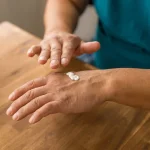
The “3-minute rule” is one of the most powerful habits in any skincare routine for eczema. Apply moisturizer while the skin is still slightly damp to trap moisture inside the skin.
Choose a moisturizer appropriate for your skin
Creams and ointments are better than lotions because they contain more oils and fewer irritants.
Look for ingredients like:
- Ceramides: strengthen the barrier
- Petrolatum: seals moisture
- Shea butter: nourishes dryness
- Hyaluronic acid: boosts hydration
- Niacinamide (low concentration): calms irritation
How to apply it effectively
Use gentle, upward motions and avoid rubbing aggressively. Let the moisturizer absorb fully before applying any topical medication or sunscreen.
Step 3: Follow a Morning Routine
Your morning skincare routine should focus on hydration and protection from environmental triggers.
1. Gentle cleansing
You may not need a deep cleanse every morning. A simple splash of lukewarm water or a very gentle cleanser is enough for many people.
2. Apply moisturizer
Choose a rich, nourishing moisturizer that lasts throughout the day.
3. Sunscreen
SPF is often overlooked in eczema routines, but UV radiation can worsen dryness and trigger inflammation. Choose:
- Mineral sunscreen
- Fragrance-free
- Sensitive-skin formulas
These are less likely to cause stinging or irritation.
4. Optional soothing products
If recommended by your dermatologist, you can apply calming barrier creams or medicated treatments in the morning.
Step 4: Follow a Night Routine Focused on Repair
Evening is the best time to deeply treat and repair eczema-prone skin.
1. Gentle cleansing
Remove sweat, allergens, and environmental irritants accumulated throughout the day.
2. Apply medication if prescribed
Topical steroids or non-steroidal anti-inflammatory creams should always be applied before moisturizer unless instructed otherwise.
3. Use a thick night cream
Night creams or ointments with petroleum help seal moisture and prevent overnight dryness.
4. Try wet wrapping (if needed)
Wet wrapping may also help a lot in the event of severe dryness or even flare-ups.
This would entail using moisturizer, overlaying it with a wet layer and closing it with a dry layer. Should only be used under instruction in the case of an active infection.
Step 5: Build Helpful Daily Habits That Support Your Routine
Your Daily Skincare Routine goes beyond the bathroom, it’s also about creating an eczema-friendly lifestyle.
- Avoid harsh fabrics. Wool and rough textiles trigger itching. Cotton and bamboo are safe options.
- Use fragrance-free laundry products. Scented detergents and fabric softeners commonly trigger eczema.
- Shower smartly, Keep showers for 5–10 minutes and avoid hot water.
- Keep humidity levels stable. Using a humidifier helps prevent dryness during colder months.
- Stay consistent, even on good days. Eczema often improves with routine, not short-term changes.
Step 6: Hydrate and Support Your Skin Internally
Healthy skin also depends on your body’s internal balance.
Drink enough water: Hydration affects skin elasticity and moisture retention.
Include anti-inflammatory foods: Consider adding:
- Fatty fish
- Turmeric
- Berries
- Leafy greens
- Avocado
Reduce high-sugar or inflammatory foods: These may worsen flare-ups for some people.
Manage stress: Stress is a known trigger. Try:
- Meditation
- Light exercise
- Deep breathing
- Journaling
Step 7: Adjust Your Routine During Flare-Ups
When a flare-up hits, your routine must shift into a gentler, more protective mode.
What to do during flare-ups
- Stop all new or experimental products
- Use only your gentle cleanser and a bland, fragrance-free moisturizer
- Apply topical medications consistently
- Avoid exfoliants, acids, and peels
- Wear loose-fitting clothing
- Keep nails short to minimize scratching damage
Avoid over-washing
Limit cleansing to prevent irritation.
Use cold compresses for itching
Cold can calm inflammation safely.
FAQs
1. How many products should a daily eczema routine include?
An easy regimen is the most preferable, most of the time it is a cleanser, moisturizer, and sunscreen. Add creams, which are prescribed, as necessary. Excessive use of products leads to the risk of irritation. Begin with the fundamentals and only add new things a little at a time and only when your skin does not have any allergic reaction to those things. Less can be more in the case of eczema prone skin.
2. Should moisturizer or medication come first?
As a rule, prescription creams are applied first of all since they have to be in direct contact with the skin. Wait a few minutes and put on moisturizers to preserve moisture. However, it is advisable to adhere strictly to the directions of your dermatologist since some drugs are to be ordered or applied in a different way.
Final Thoughts
Being able to cope with eczema can be confusing, yet the proper Daily Skincare Routine will help you to feel structure, comfort, and consistency in the healing process. By feeding your skin in the morning and the evening, you increase the strength of your barrier, decrease exacerbations and take control of the daily comfort again. Coupled with soft cleansing, maximum hydration, changes to lifestyle, and intelligent product selection can change the strength of your skin.
Eczema does not need to be the mark of your days. You can have the benefit of more relaxed, healthier and better balanced skin day by day, with patience and a routine that works with your specific needs.