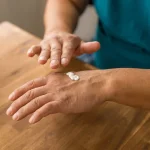

Eczema, or atopic dermatitis, is a chronic skin condition marked by dryness, irritation, and recurring flare-ups. While many patients know the basics of treatment, sporadic application of creams often leaves the skin vulnerable. Consistent, daily use is essential to maintain barrier function, control inflammation, and prevent repeated flare-ups. This article explores why regular eczema cream use is crucial, detailing practical strategies and expert advice for long-term skin health.
How Eczema Creams Support Skin Health
Barrier Restoration and Hydration
The skin barrier acts as a protective shield against moisture loss, irritants, and allergens. Eczema compromises this barrier, causing dryness, cracking, and increased sensitivity. Eczema creams restore hydration by combining humectants, emollients, and occlusives. Humectants draw water into the outer skin layers, emollients smooth the surface, and occlusives create a protective seal. Using creams consistently ensures that the barrier remains strong over time. This reduces irritation and prevents new flare-ups, making skin more resilient and comfortable in the long term.
Reducing Flare-Up Frequency
Regular cream use helps minimize the immune system’s overreaction that triggers flare-ups. Inconsistent application leaves skin exposed to triggers, while daily use creates a fortified barrier that reduces inflammation. Over time, patients notice fewer episodes and shorter duration of flare-ups. Experts emphasize that even during remission, continued maintenance with creams is essential. The cumulative effect of daily use strengthens skin integrity and reduces the likelihood of severe eczema episodes.
Understanding the Mechanisms Behind Regular Use
Preventing Barrier Breakdown
Intermittent use allows skin to remain vulnerable to water loss and environmental irritants. Daily application reinforces the skin barrier, preventing breakdown and keeping it flexible. Over time, this consistent protection reduces itching, flaking, and redness. Experts recommend applying cream even when symptoms appear mild to maintain the skin’s natural defenses and prevent future flare-ups.
Controlling Inflammation
Anti-inflammatory creams, such as corticosteroids or non-steroidal alternatives, are most effective when applied consistently. Repeated use helps control subclinical inflammation that may not yet be visible. Regular application stops the itch-scratch cycle, preventing further barrier damage. By following a routine, patients maintain a controlled environment that supports faster recovery during active flare-ups and reduces the intensity of future episodes.
Choosing the Right Cream for Long-Term Use
Skin Type Considerations
Selecting the appropriate cream depends on skin type and eczema severity. Dry or sensitive skin may need richer, occlusive formulations, while inflamed or oozing skin benefits from lighter creams with anti-inflammatory properties. Experts recommend evaluating skin response over time and adjusting products based on hydration levels and comfort. Individualized selection improves efficacy and reduces the risk of irritation or inadequate barrier repair.
Ingredient Awareness
Certain ingredients support long-term maintenance, including ceramides, glycerin, hyaluronic acid, and colloidal oatmeal. They strengthen the barrier, retain moisture, and calm irritation. Conversely, fragrances, alcohols, and harsh preservatives can trigger sensitivity and worsen symptoms. Reviewing product labels carefully and choosing hypoallergenic, dermatologist-tested creams ensures safe and effective daily use, enhancing both comfort and barrier recovery.
Incorporating Creams Into a Daily Routine
Timing and Frequency
Timing is critical. Applying creams immediately after bathing locks in moisture, maximizing absorption. Experts advise applying once in the morning and once before bed during remission, and increasing frequency during flare-ups. Layering creams strategically medicated first, emollient second, enhances efficacy. Consistency in timing and application ensures that the skin remains hydrated, protected, and less prone to irritation.
Complementary Skin Care Habits
Daily cream use is most effective when combined with gentle skincare practices. Avoiding harsh soaps, hot water, and abrasive fabrics reduces barrier stress. Maintaining a controlled environment with appropriate humidity and temperature further supports skin health. Experts also suggest managing stress, optimizing diet, and monitoring allergen exposure, as these factors can influence eczema severity and cream effectiveness.
Monitoring and Adjusting Treatment
Observing Skin Response
Tracking the skin’s response provides valuable feedback. Improvements in hydration, reduction in redness, and decreased itching indicate effective use. Conversely, worsening symptoms may signal the need for a different formulation or stronger prescription. Monitoring allows patients and clinicians to adjust creams, frequency, or complementary therapies to optimize outcomes while minimizing risks.
Avoiding Common Mistakes
Over- or under-applying creams can reduce effectiveness or cause side effects. Skipping maintenance during remission leaves skin vulnerable to flare-ups. Frequently switching products without monitoring results prevents accurate assessment of efficacy. Experts advise patience and consistent observation, reinforcing that eczema treatment is cumulative and requires a strategic, long-term approach.
Advanced Insights and Expert Recommendations
Long-Term Benefits of Regular Use
Regular cream application offers lasting benefits: reduced flare frequency, stronger skin barrier, and improved comfort. Patients often report fewer interruptions to daily life and a significant improvement in overall skin quality. Dermatologists emphasize that even mild eczema requires ongoing maintenance to prevent recurrence. Daily creams create a foundation for healthier skin that responds more effectively to other treatments.
Combining Therapies Strategically
Creams work best as part of an integrated approach. Phototherapy, systemic medications, and lifestyle adjustments complement topical therapy, creating a multi-layered defense against flare-ups. Tailoring routines to individual flare patterns, environmental conditions, and personal tolerance optimizes outcomes. Professional guidance ensures the strategy remains safe, effective, and sustainable.
Conclusion
Regular use of eczema creams is not optional; it is central to effective, long-term skin management. Daily application maintains hydration, repairs the barrier, and controls inflammation, reducing both flare severity and recurrence. Pairing creams with careful lifestyle choices and environmental controls enhances results further. By understanding the mechanisms, selecting the right formulation, and following a consistent routine, patients can achieve lasting relief, healthier skin, and improved quality of life.
Frequently Asked Questions
1. Why is daily use of eczema cream more effective than occasional use?
Daily use strengthens the skin barrier, maintains hydration, and prevents flare-ups, while inconsistent application leaves the skin exposed and prone to irritation.
2. Can regular cream use reduce the need for stronger medications?
Consistent maintenance with barrier-repair creams can reduce inflammation and flare frequency, sometimes minimizing the need for high-strength prescription medications over time.
3. How soon can I see results from regular cream use?
Improvements in hydration and barrier function may appear within days, while reduced flare frequency and long-term skin resilience develop over several weeks of consistent application.
4. Is it safe to use medicated creams daily?
Some medicated creams, when prescribed correctly, can be used daily for maintenance. Clinicians tailor application frequency to balance efficacy with safety and minimize side effects.
5. What lifestyle factors enhance eczema cream effectiveness?
Avoiding irritants, controlling humidity, managing stress, optimizing diet, and gentle skincare practices all complement regular cream use for better overall outcomes.